In an era where digital experiences define brand reputation, web accessibility has emerged as a cornerstone of a resilient online presence. However, persistent myths often prevent organizations from fully committing to inclusive design, causing them to miss significant opportunities for growth. Accessibility is not a hurdle to be cleared; it is a strategic marketing advantage that ensures your message reaches every possible user, regardless of their circumstances. By debunking these common misconceptions, businesses can build a digital ecosystem that is truly inclusive and high-performing.
The Universal Reach of Inclusive Design
A common misconception is that web accessibility only serves a small segment of the population. In reality, inclusive design practices improve the user experience for everyone. This includes older adults facing vision challenges, individuals using mobile devices in high-glare environments, and users with limited bandwidth or slow internet connections. When a site features clear navigation and readable layouts, it reduces bounce rates and increases engagement across all demographics. In the world of digital advertising, ensuring your landing pages are accessible to the widest possible audience is a prerequisite for maximizing return on investment.
Cost-Efficiency and Aesthetic Excellence
Many organizations hesitate to prioritize accessibility because they fear it is too expensive or will compromise the site’s visual appeal. On the contrary, when accessibility is integrated into the initial strategic marketing plan, it often saves time and money by preventing costly retrofits later. Simple, low-cost improvements like descriptive alt text and thoughtful typography provide a foundation for both beauty and function. High-impact design and accessibility actually go hand in hand; sophisticated color contrast and intuitive layouts create a professional, polished aesthetic that strengthens brand authority without sacrificing usability.
The Human Element in Technical Compliance
While automated tools are excellent for identifying baseline technical issues, they cannot replace the necessity of human-centric testing. True thought leadership in the digital space involves moving beyond a simple WCAG checklist to understand how real users interact with your content. A site may pass an automated scan but still remain difficult for someone using assistive technology to navigate. Genuine accessibility requires ongoing evaluation and feedback to ensure that your communications are not just compliant, but truly effective for all individuals.
Governance as a Continuous Strategic Advantage
Accessibility is not a “one-time fix” but a living part of your brand’s digital hygiene. As websites evolve through content updates and redesigns, accessibility must be maintained as a core component of your data governance and maintenance strategy. This commitment goes far beyond avoiding legal risk; it actively improves your SEO, enhances your brand reputation, and opens your business to a massive, often underserved market. By treating accessibility as a continuous professional standard, you ensure your digital presence remains resilient and authoritative in an ever-changing market.
Conclusion
Dispelling the myths surrounding web accessibility allows businesses to move forward with a more sophisticated and inclusive digital strategy. When you prioritize access, you aren’t just meeting a requirement—you are making a foundational investment in your brand’s future. An accessible website is a high-performing website, providing the stability and reach necessary to navigate the modern digital landscape with confidence.
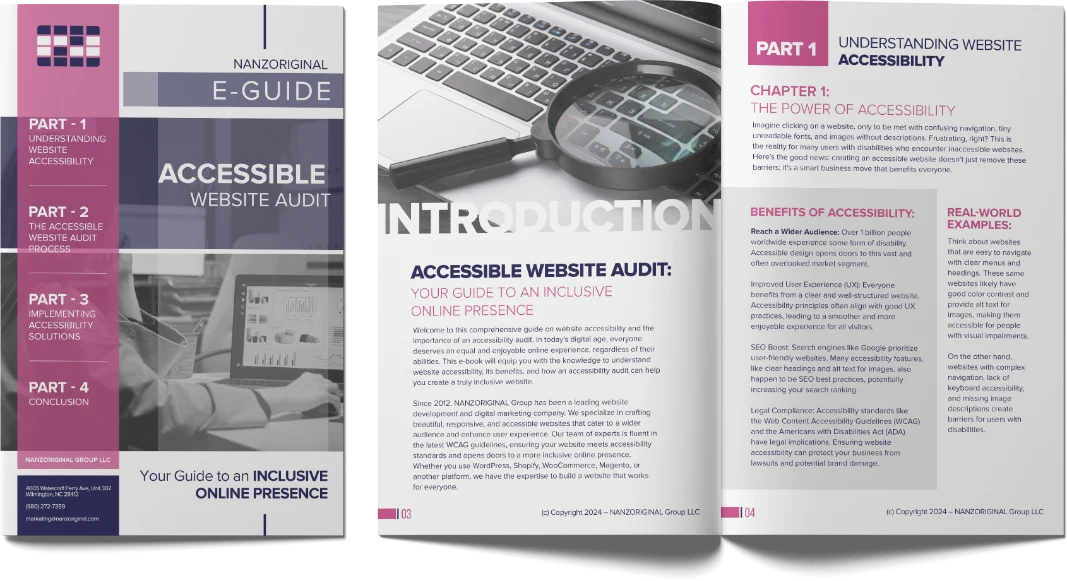
DOWNLOAD OUR FREE EBOOK
Our comprehensive website accessibility guide with actionable insights will help you comply with accessibility laws to avoid expensive lawsuits, improve user experiences for everyone, and maximize your reach to all visitors across the Internet.